Astrology
Swapn Vichar: 200 Dream Scenes, Meanings and Reflective Questions
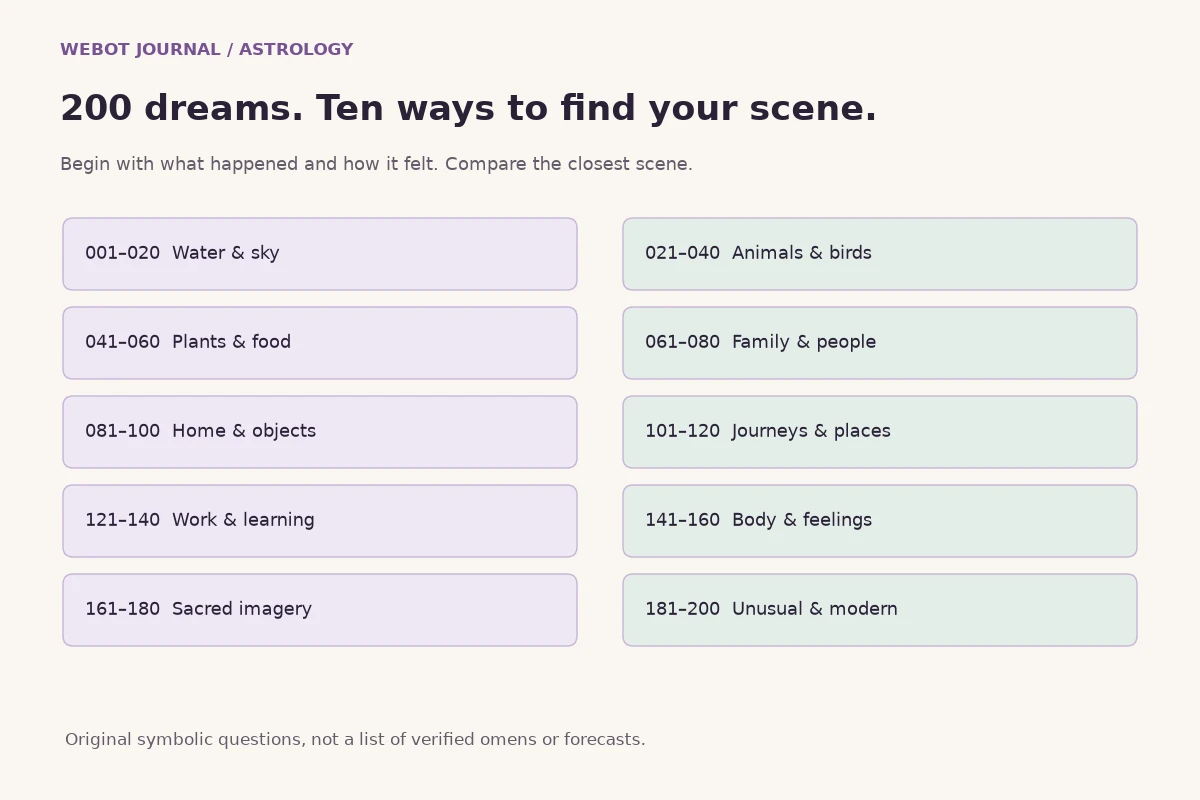
Why might a river, an examination, a snake or an old home stay vivid after waking? Swapn Vichar is a cultural practice of discussing the meaning of dreams. This guide organises 200 distinct scenes into ten groups and offers original symbolic questions you can accept, adapt or leave aside. The whole scene matters: what happened, how you felt and which detail remained important afterwards.
The catalogue is an editorial reflection resource, not a list of guaranteed omens. A scene may carry different meanings for different dreamers. The entries are independently written interpretations, not a claim that an ancient scripture supplies a separate rule for every modern image. A dream cannot verify another person's intentions, establish a medical condition or reliably forecast death, marriage, examination results or financial gain.
Start with the scene that most closely matches yours, then compare the nearby entry that changes one detail. A friendly dog and a pursuing dog are different situations; so are seeing a snake, watching it shed its skin and experiencing a bite. This makes the guide more useful than assigning one fixed meaning to an animal or object regardless of the story.
For a personal journal, write the scene before choosing an interpretation. Record the emotion and any relevant waking context separately. If the reading does not fit, do not force the dream to confirm it. A repeated image can be interesting without making it a reliable prediction, and the time of night does not establish that a forecast is true.
Matching entries:
No entries match this search.
1. Water, weather and the sky
Water and weather change both the setting and the dreamer's choices. Compare calmness, movement and visibility before deciding which personal association is useful.
Clear water
An unobstructed view through water can invite reflection on clarity. What feels easier to understand in your waking situation?
Muddy water
Water obscuring what lies beneath can become an image of uncertainty. Identify the unanswered question rather than predicting trouble.
A flowing river
A moving river can suggest an experience already unfolding. Notice whether you followed its direction, watched it or resisted the current.
Crossing a river
The crossing matters as much as the river. Ask what separated the two banks and whether you reached the other side willingly.
A flooded river
A river leaving its banks can evoke a situation exceeding familiar limits. Consider which part of the scene felt overwhelming.
A calm sea
A quiet sea may invite a reflection on spaciousness or rest. The emotional atmosphere matters more than assigning a universal lucky meaning.
Large sea waves
Large waves can make changing conditions visible in a dream. Did you feel threatened, excited or able to stay afloat?
A full well
A well containing water can be read as an image of available support. Ask what resource you felt able to reach.
A dry well
An empty well can prompt a question about an expectation that feels unmet. It does not establish that real resources will disappear.
Gentle rain
Soft rain may suggest renewal, interruption or simple sensory memory. Record whether it brought relief or kept you from doing something.
A thunderstorm
Thunder and sudden weather can dramatise tension. Separate the storm itself from your response before deciding what the scene means personally.
A rainbow
A rainbow can become an image of contrast after difficulty. Ask what changed in the dream before the colours appeared.
Dark clouds
Clouds may obscure a view without telling you what follows. Consider the uncertainty of the scene instead of treating darkness as an omen.
Snowfall
Snow can alter familiar surroundings into something quiet or unfamiliar. Notice whether the changed landscape felt peaceful, isolating or playful.
Thick fog
Fog can represent difficulty seeing the next step. The useful question is what information you wished you had in the scene.
Sunrise
A rising sun offers an image of a beginning. Identify what was starting rather than assuming a particular opportunity will arrive.
Sunset
Sunset can draw attention to an ending or a pause. Was the light's departure welcome, disappointing or simply part of the scene?
A full moon
A full moon may carry personal memories of beauty, watchfulness or ritual. Its appearance does not verify a message from outside the dream.
A sky full of stars
Many stars can evoke perspective, distance or wonder. Consider whether the sky made your immediate concern feel smaller or more significant.
An eclipse
An eclipse interrupts a familiar light source in the scene. Reflect on interrupted expectations without using the image to predict real events.
2. Animals and birds
An animal's behaviour matters. The same creature can be a familiar companion, an object of curiosity or a source of fear within different scenes.
A friendly dog
A welcoming dog can invite reflection on companionship. Notice whether you trusted the animal and what made that trust feel possible.
A dog chasing you
Being pursued by a dog differs from meeting a friendly one. Ask what you were avoiding and how the pursuit ended.
A cat
A cat may suggest independence, curiosity or a familiar pet. Begin with your own experience of cats rather than a fixed cultural verdict.
A cow
A cow can connect with nourishment, routine or religious memory. Your relationship with the animal changes which association feels relevant.
A calf
A calf introduces youth and dependence into the scene. Consider whether you were protecting it, observing it or seeking its mother.
A bull
A bull can make strength or confrontation vivid. Describe its behaviour before assuming the dream is about aggression or good fortune.
A horse
A horse can evoke movement and partnership with an animal. Notice who directed the journey and whether the pace felt comfortable.
An elephant
An elephant may feel powerful, familiar or ceremonial. Ask which detail mattered most instead of treating its presence as a promise of prosperity.
A lion
A lion can become an image of authority or danger. Did its power protect the scene, threaten you or remain at a distance?
A tiger
A tiger may draw attention to intensity and alertness. The reading changes if you watched calmly rather than fleeing from it.
A monkey
A monkey can suggest play, imitation or distraction. Consider what it did with your attention rather than assigning a moral label to someone.
A snake
A snake can feel frightening, fascinating or ordinary. Record the setting and your response before selecting any symbolic association.
A snake shedding skin
Shedding skin adds a visible process of change to the snake image. Ask what seemed ready to be left behind within the scene.
Fish swimming
Swimming fish may evoke movement beneath the surface. Could you see their direction clearly, or were you only aware of activity below?
A tortoise
A tortoise can invite reflection on pace and protection. Notice whether its shell felt like security, a barrier or simply an animal's feature.
A crocodile
A crocodile can make concealed danger vivid in a story. The dream does not establish that another person has harmful intentions.
A bird flying freely
A bird moving freely can suggest an expanded view. Ask whether you shared its movement or remained watching from the ground.
A crow
A crow may connect with a sound, local custom or personal memory. Its appearance is not evidence that bad news is coming.
An owl
An owl can evoke night-time attention or unfamiliar sounds. Start with what you noticed rather than assuming wisdom or misfortune automatically.
A butterfly
A butterfly offers an image of lightness and change. Consider whether you followed it, held it or let it move away.
3. Trees, plants and food
Plants and food can connect with seasons, care, preparation and memory. A symbolic association does not establish what will happen to an actual household or harvest.
A green tree
A green tree can invite a reflection on continuity and growth. The part you approached may matter more than the whole tree.
A fruit-laden tree
A tree carrying fruit makes a result visible. Ask whether you picked, shared or merely admired the fruit in the dream.
A dry tree
A dry tree can suggest an ending or an overlooked need in a story. It does not predict the loss of a person.
Planting a seed
Planting a seed focuses attention on beginning something whose result is not immediate. What care did the small action require?
A flowering garden
A flowering garden can evoke variety or careful cultivation. Notice whether you enjoyed it or felt responsible for maintaining every part.
A lotus
A lotus may carry religious, artistic or personal associations. Describe the setting before interpreting it as a universal sign of spiritual progress.
A rose
A rose can suggest affection, beauty or a specific memory. Its condition and who offered it may change the reading.
A tulsi plant
A tulsi plant may connect with a household ritual or remembered home. The image does not establish divine approval or disapproval.
A mango
A mango can evoke anticipation, taste or a season. Was it ripe, shared, unreachable or connected with a particular person?
A banana
A banana may belong to an ordinary food memory or a ritual scene. Distinguish the setting before giving the fruit a symbolic role.
A coconut
A coconut can suggest an outer barrier and something held within. Ask whether opening or offering it was central to the dream.
A ripe harvest
A ready harvest can invite reflection on completion. Notice who worked for it and whether you felt able to enjoy the result.
Sowing a field
Sowing a field emphasises preparation rather than reward. Consider what was being started and whether the work felt shared or solitary.
A sack of grain
Stored grain can become an image of provision or responsibility. Ask whether you were keeping it, distributing it or worried about its condition.
Drinking milk
Drinking milk may evoke care, routine or a familiar taste. The feeling in the dream is more informative than a fixed prosperity prediction.
Seeing ghee
Ghee may connect with cooking, ritual or remembered hospitality. Describe its use in the scene rather than assuming a guaranteed favourable event.
Seeing honey
Honey can suggest sweetness alongside the effort of gathering it. Notice whether receiving, sharing or seeking it was the important action.
Eating sweets
Eating sweets can evoke celebration, comfort or excess. Ask what occasion the dream supplied and how you felt afterwards.
Cooking a meal
Preparing a meal can highlight contribution and coordination. Who was expected to eat, and did the cooking feel welcome or burdensome?
Spoiled food
Spoiled food can turn an expectation of nourishment into disappointment. Reflect on the changed expectation rather than diagnosing a real illness.
4. Family, people and relationships
People in a dream are not transparent accounts of those people's intentions. Begin with the interaction and the dreamer's own context.
Your mother
A mother figure may connect with care, disagreement or a specific memory. Begin with the relationship shown in this dream, not a universal rule.
Your father
A father figure can evoke guidance, expectations or an unfinished conversation. Your actual relationship provides context the image alone cannot supply.
A grandparent
A grandparent may bring memory and continuity into the scene. Ask which quality of the encounter stayed with you after waking.
A brother
A brother in a dream can highlight companionship, rivalry or an ordinary shared experience. The scene does not reveal his private thoughts.
A sister
A sister can appear through affection, comparison or a familiar family role. Describe what happened between you rather than predicting her future.
A newborn baby
A newborn introduces something vulnerable and unfamiliar. This can support a reflection on beginnings without confirming an actual pregnancy or birth.
A child playing
A playing child may evoke spontaneity, learning or remembered pleasure. Notice whether you joined, watched or tried to control the game.
An old friend
An old friend can reconnect you with a former setting or version of yourself. The dream does not prove they are about to contact you.
An unfamiliar person
An unfamiliar person can hold qualities you are still trying to describe. Record their actions before deciding what they represent personally.
An argument with family
A family argument can dramatise disagreement or an unspoken concern. It is not evidence that the people involved intend a real conflict.
A reunion
A reunion can suggest reconnection, comparison or changed circumstances. Ask what felt familiar and what no longer matched your memory.
A wedding ceremony
A wedding ceremony can invite reflection on commitment and public expectations. It does not predict that a marriage will take place.
An engagement
An engagement scene emphasises a promise not yet completed. Consider what was agreed and whether the agreement felt freely chosen.
Separation from a partner
Separation from a partner can reflect many concerns or story patterns. Do not treat the dream as evidence of betrayal or an inevitable breakup.
A deceased relative
A deceased relative may appear through memory, longing or a familiar voice. The dream does not establish a verified communication from them.
An ancestor
An ancestor can evoke family continuity or questions about belonging. Describe the personal or cultural association without claiming a message has been authenticated.
A teacher
A teacher may represent a remembered lesson or a current question about guidance. Notice whether you felt encouraged, examined or misunderstood.
A guest arriving
An arriving guest introduces another person's needs into the setting. Did their presence feel welcome, surprising or demanding?
A large crowd
A crowd can amplify participation, anonymity or pressure. The reading changes depending on whether you felt included or unable to find your place.
Being alone
Being alone can feel restful or painful. Record that difference before assuming the dream is a warning about future loneliness.
5. Home and everyday objects
Rooms and objects can make access, privacy and everyday responsibilities visible. Notice what you did with the setting rather than treating the object as a fixed omen.
Your childhood home
A childhood home can bring earlier routines into a present concern. Notice which room or detail differed from your actual memory.
A new house
A new house can suggest unfamiliar possibilities or responsibilities. Ask whether you were exploring it, choosing it or expected to maintain it.
A locked door
A locked door can focus attention on a limit. Was it keeping you out, protecting something or waiting for a key?
An open door
An open door introduces access without telling you whether to enter. Consider what made the space beyond it inviting or uncertain.
An open window
A window can offer a view without direct participation. Ask whether you wanted fresh air, information or a way to be seen.
Going upstairs
Going upstairs can suggest effort toward another level of a setting. Notice what you expected to find when you arrived.
Going downstairs
Going downstairs may involve returning, investigating or seeking something below. Direction alone does not make the dream favourable or unfavourable.
Standing on a roof
A roof provides an exposed viewpoint. Consider whether the height felt freeing, precarious or useful for seeing the surroundings differently.
A house on fire
A burning house can make disruption vivid. It does not predict a real fire; distinguish the threatened place from your response within the scene.
A collapsing building
A collapsing building can suggest instability in a dream narrative. Ask what failed and what you did rather than forecasting disaster.
A bathroom
A bathroom scene may concern privacy, interruption or an ordinary bodily setting. Its personal meaning depends on what happened there.
A kitchen
A kitchen can evoke preparation and shared routines. Was it a place of cooperation, confusion, nourishment or unfinished work?
A bed
A bed can suggest rest, intimacy, familiarity or a wish for privacy. The surrounding scene matters more than the object alone.
A mirror
A mirror focuses attention on an image of yourself. Notice whether the reflection matched your expectations or introduced something unfamiliar.
A broken mirror
A broken mirror changes how the image appears. It is not evidence of future bad luck or a damaged destiny.
Finding keys
Finding keys can suggest access or a recovered possibility. Ask which lock they fitted and whether you wanted to open it.
Losing keys
Losing keys can evoke interrupted access or responsibility. The dream does not establish that an actual possession is at risk.
A burning lamp
A burning lamp can provide a small point of orientation. Notice what its light revealed and what remained outside it.
A dark room
A dark room can invite a question about missing information. Was darkness frightening, restful or simply waiting for a light?
Cleaning a house
Cleaning a house can suggest sorting, care or an unfinished obligation. Ask whose standards guided the work and whether it felt satisfying.
6. Travel, roads and places
A journey includes a route, pace and companions as well as a destination. Dream travel does not replace practical information for an actual journey.
Walking along a road
Walking along a road can highlight pace and direction. Did you choose the route or find yourself following it without discussion?
Standing at a crossroads
A crossroads makes alternatives visible. Consider what distinguished the paths rather than assuming a single correct future has been shown.
Crossing a bridge
Crossing a bridge connects separated places. Notice its condition, who accompanied you and whether the crossing felt necessary or chosen.
Travelling by train
A train journey can evoke movement within a shared route. Ask whether the destination was yours or had already been decided by others.
Missing a train
Missing a train can dramatise timing and expectation. It does not prove that an actual opportunity has been lost permanently.
Travelling by bus
A bus journey can highlight shared pace and limited control over stops. Notice your fellow travellers and where you wished to leave.
Driving a car
Driving a car places direction in your hands within the story. Ask whether the road and controls felt familiar or uncertain.
Car brakes failing
Failed brakes can make a loss of control vivid. The dream is not a mechanical diagnosis of a real vehicle.
Sailing in a boat
A boat journey combines movement with surrounding water. Notice whether you steered, drifted or depended on someone else to navigate.
An airplane journey
An airplane journey can evoke distance or a rapid transition. Record the purpose of the trip instead of predicting actual travel.
Climbing a mountain
Climbing a mountain can suggest an effort with an unclear endpoint. What helped you continue, and did you choose the ascent?
Descending a mountain
Descending a mountain may involve return, relief or careful adjustment. Downward movement does not automatically mean failure in a symbolic reading.
Being lost in a city
Being lost in a city can highlight unfamiliar choices and information. Ask what landmark or conversation might have helped within the dream.
Passing through a tunnel
A tunnel narrows the available view while suggesting passage. Notice whether the other end was visible and how the enclosed space felt.
A pilgrimage
A pilgrimage can connect movement with a personal or religious purpose. The dream does not certify spiritual status or require an actual journey.
A temple
A temple may evoke worship, memory, architecture or belonging. Begin with what you did there rather than assigning automatic divine approval.
A mosque
A mosque can carry personal, community or architectural associations. Respect the dreamer's own context instead of imposing a single religious interpretation.
A gurdwara
A gurdwara may connect with community, worship or remembered hospitality. Ask which part of the scene felt important to you.
A church
A church can evoke reflection, ceremony or a particular memory. The image alone does not establish a supernatural instruction.
Returning home
Returning home can suggest recognition after change. Notice whether home felt familiar, altered or different from what you hoped to find.
7. Work, learning and money
Evaluation and exchange can take many forms in dreams. The entries do not provide educational, employment, gambling or financial predictions.
Sitting an examination
An examination can turn evaluation into a visible scene. Ask who set the standard and whether you understood what was being assessed.
Being unprepared for an exam
Being unprepared for an exam can dramatise uncertainty about readiness. It does not predict an actual result or establish your ability.
Passing an examination
Passing an examination can evoke relief or recognition. Compare the feeling with your waking concerns without treating it as a guaranteed outcome.
Failing an examination
Failing an examination can make disappointment vivid. A dream result is not evidence that a real assessment will go badly.
Returning to school
Returning to school may revive earlier expectations or friendships. Notice whether you were your present self or returned to an earlier age.
Reading a book
Reading a book can suggest seeking an explanation. Was the text understandable, missing or different each time you looked?
Writing with a pen
Writing with a pen can highlight expression or responsibility for a record. Ask what you wanted another person to understand.
Losing a document
A lost document can evoke uncertainty about proof, preparation or memory. It does not show that a real record has disappeared.
Teaching a class
Teaching a class can prompt reflection on communicating clearly. Notice whether the learners understood or whether you were unsure of the subject.
Starting a new job
A new job can introduce unfamiliar expectations and roles. The dream does not announce an actual offer or establish suitability for work.
Meeting a manager
Meeting a manager can dramatise evaluation or authority. Describe the interaction rather than assuming it reveals the manager's actual opinion.
Opening a shop
Opening a shop can evoke offering something to others. Ask what you hoped people would need and how you felt about serving them.
A busy market
A busy market can suggest choice, exchange or competing attention. Notice whether the abundance felt enjoyable or difficult to navigate.
Finding money
Finding money can evoke an unexpected resource within the story. It is not a prediction of financial gain or a reason to gamble.
Losing money
Losing money can dramatise concern about value or responsibility. The image does not forecast a financial loss.
Receiving a gift
Receiving a gift can invite reflection on recognition and reciprocity. Who offered it, and did you feel free to accept?
Gold jewellery
Gold jewellery can suggest adornment, inheritance or public value. Its appearance is not evidence of an approaching financial opportunity.
Silver jewellery
Silver jewellery may connect with a particular keepsake or aesthetic preference. Begin with that association before selecting a general symbolic meaning.
Broken jewellery
Broken jewellery can change an object's usefulness or personal meaning. Ask what the object represented rather than predicting a damaged relationship.
Paying a debt
Paying a debt can evoke completion or release from an obligation. A dream does not verify that any real liability has been settled.
8. Body, clothes and feelings
A dream body and a waking medical assessment are different things. These scenes are discussed as narratives, not diagnoses or confirmations of pregnancy.
Teeth falling out
Teeth falling out can feel unsettling, but the scene does not predict a death. Record the emotion without adopting a frightening fixed interpretation.
Brushing your teeth
Brushing teeth can evoke preparation, routine or presentation. Ask whether the task felt ordinary or unexpectedly difficult in the dream.
Hair falling out
Hair falling out can draw attention to change in appearance or control. It does not diagnose a health condition.
Very long hair
Very long hair can suggest an altered self-image or an unfamiliar responsibility. Notice whether it felt beautiful, inconvenient or simply surprising.
Taking a bath
Bathing can evoke privacy, refreshment or transition. The water's condition and whether you were interrupted may change the personal reading.
Being unclothed in public
Being unclothed in public can dramatise exposure or vulnerability. It does not reveal a moral fault or predict public humiliation.
Torn clothes
Torn clothes may suggest an interrupted presentation or a practical difficulty. Ask whether you were concerned about comfort, appearance or others' reactions.
White clothes
White clothes can carry ceremonial, personal or everyday associations. Do not assume one colour has the same meaning in every community.
Red clothes
Red clothes may evoke visibility, celebration or a remembered occasion. Context matters more than assigning the colour a fixed warning.
Wearing new clothes
New clothes can suggest trying an unfamiliar role or presentation. Notice whether you chose them or were expected to wear them.
Being ill in a dream
Illness within a dream can make vulnerability visible. It is not a medical diagnosis of yourself or another person.
Recovering in a dream
Recovery in a dream can evoke relief or renewed possibility. It does not confirm a real medical outcome.
A hospital visit
A hospital visit may connect with care, uncertainty or remembered experiences. A dream setting cannot determine anyone's health status.
Pregnancy in a dream
Pregnancy in a dream can be discussed as an image of anticipation or responsibility. It does not confirm actual pregnancy.
Giving birth in a dream
Giving birth in a dream can suggest an emergence or a demanding beginning. The scene is not a prediction of a real birth.
Seeing blood
Seeing blood may evoke alarm, injury or a remembered image. Interpret the narrative carefully without diagnosing a condition from it.
Running easily
Running easily can create a feeling of movement and capability. Ask where you were going and whether reaching it mattered.
Being unable to move
Being unable to move can make helplessness vivid in a dream. If waking episodes or disturbed sleep concern you, seek appropriate clinical advice.
Laughing
Laughter can express pleasure, relief or discomfort depending on the scene. Notice who laughed and whether you felt included.
Crying
Crying may make an emotion more visible than its cause. Describe what brought the tears rather than assuming future sorrow.
9. Sacred images and rituals
Religious imagery deserves respect for the dreamer's own tradition and personal experience. The catalogue does not authenticate divine instructions or spiritual status.
A Shiva lingam
A Shiva lingam may connect with worship, memory or contemplation. The dream does not authenticate a command or require a particular ritual.
Ganesha
Seeing Ganesha can invite reflection on your personal religious associations. Ask what felt reassuring or significant without claiming a guaranteed obstacle will disappear.
Durga
Durga may appear through devotion, imagery or a remembered festival. Describe the experience respectfully rather than presenting it as a verified prediction.
Krishna
Krishna can connect with a story, music, devotion or personal memory. The dreamer's own context should guide any reflective interpretation.
Rama
Rama may evoke an admired story or a question about conduct. The image does not establish that a particular real decision has divine approval.
Hanuman
Hanuman can carry personal associations with devotion and strength. Reflect on the scene without treating it as proof of supernatural protection.
A temple bell
A temple bell can draw attention to a call, transition or familiar sound. What changed in the scene when it rang?
A conch shell
A conch shell may evoke ceremony, sound or a remembered place. Ask whether hearing, holding or offering it mattered most.
Prayer beads
Prayer beads can suggest repetition, attention or a familiar practice. The scene does not measure your spiritual progress.
Reading a sacred text
Reading a sacred text can invite reflection on guidance and understanding. Notice whether the words were clear or remained difficult to grasp.
Performing worship
Performing worship may connect with devotion, routine or a wish to participate. It does not prove that an event has been foretold.
Watching an aarti
Watching an aarti can evoke shared attention and sensory memory. Ask whether you felt involved, distant, comforted or uncertain.
A havan fire
A havan fire can connect with ritual, offering or transformation in a personal reading. It is not evidence that a desired result is guaranteed.
Sindoor
Sindoor can evoke a particular ceremony, relationship or cultural expectation. Do not infer a person's actual marital future from the image.
A flower garland
A flower garland can suggest welcome, honour or a remembered ritual. Who offered it and how you received it may matter.
A funeral rite
A funeral rite can bring endings and remembrance into the scene. It does not predict that someone will die.
A burial place
A burial place may evoke memory, quiet or questions about loss. The setting is not a warning of an impending death.
A spiritual teacher
A spiritual teacher can represent guidance or an unanswered question. The dream does not establish that advice received there is authoritative.
Meditating
Meditating in a dream can suggest an attempt to focus or pause. Notice whether the experience felt restful, interrupted or effortful.
Offering charity
Offering charity can prompt reflection on giving and receiving. Ask what was needed and whether the recipient had a voice in the scene.
10. Unusual events and modern symbols
Modern objects and unusual events need no invented ancient attribution. Record the specific scene and keep a symbolic question distinct from a literal forecast.
Flying through the sky
Flying can suggest an expanded view, freedom or unfamiliar control. Notice whether you chose the direction or felt carried along.
Falling from a height
Falling can make instability vivid without predicting a real accident. Describe the setting and the point at which the scene changed.
Being chased
Being chased focuses attention on pursuit and avoidance. Ask what you knew about the pursuer instead of assuming a hidden real enemy.
Being unable to speak
Being unable to speak can dramatise a difficulty being heard. The dream does not prove that your voice will be taken away.
Losing your way in a forest
A forest without a clear route can evoke uncertainty amid many possibilities. Notice whether you sought help, waited or explored.
Finding a hidden room
A hidden room can suggest an unfamiliar aspect of a familiar setting. Ask what made the discovery welcome or unsettling.
Finding buried treasure
Buried treasure can evoke discovery and imagined value. It is not evidence of real hidden wealth or a reason for financial risk.
An earthquake
An earthquake can disrupt the whole setting at once. The dream does not forecast a real earthquake or establish that disaster is approaching.
A tornado
A tornado can give a powerful form to disruption. Reflect on what moved and what remained rather than treating the image as a weather prediction.
Lightning striking
Lightning can introduce sudden change or startling clarity in a story. It does not certify a revelation or predict a physical strike.
A stopped clock
A stopped clock can invite a question about waiting or interrupted expectations. Notice whether the missing movement felt relieving or frustrating.
Being bitten by a snake
A snakebite adds a direct encounter to the snake image. It is not a medical diagnosis or proof that someone will betray you.
A ringing phone
A ringing phone can suggest an anticipated connection. Ask whether you wanted to answer and whether a caller was identified.
A broken phone
A broken phone can evoke interrupted communication or an unavailable contact. The dream does not establish that a relationship has failed.
Receiving a letter
A letter can suggest a message with a distinct sender and recipient. Notice whether you could read it and how receiving it felt.
Losing a bag
Losing a bag can dramatise uncertainty about what you carry or need. It does not predict theft or an actual loss.
Missing an important appointment
Missing an appointment can highlight expectations about timing and readiness. Consider the obligation shown without assuming a real failure is inevitable.
Becoming invisible
Becoming invisible can feel freeing or lonely. The important distinction is whether you wanted privacy or wanted someone to notice you.
Seeing your own death
Seeing your own death in a dream is not a forecast of death. It may be discussed symbolically without adopting a frightening literal conclusion.
The same dream returning
A recurring dream invites comparison of details across occasions. Record what changes as well as what repeats, without treating repetition as proof of prediction.
Sources and further reading
Explore Astrology
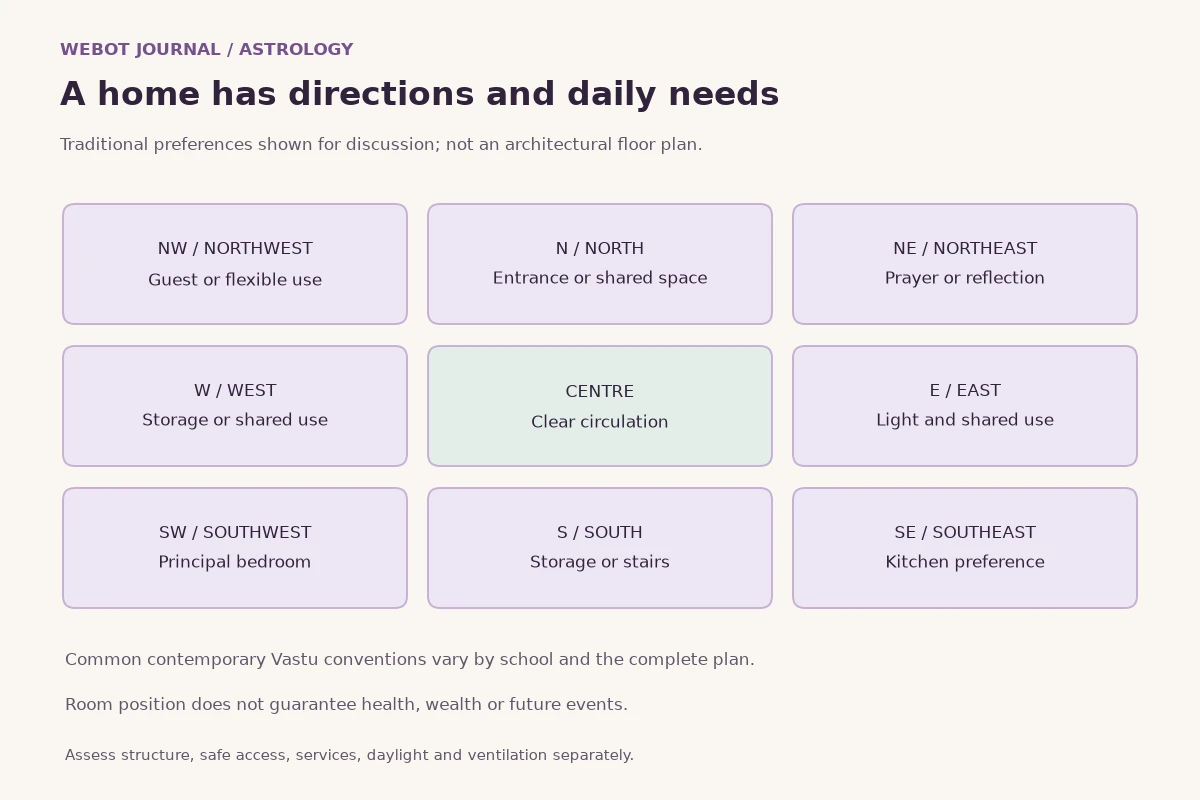
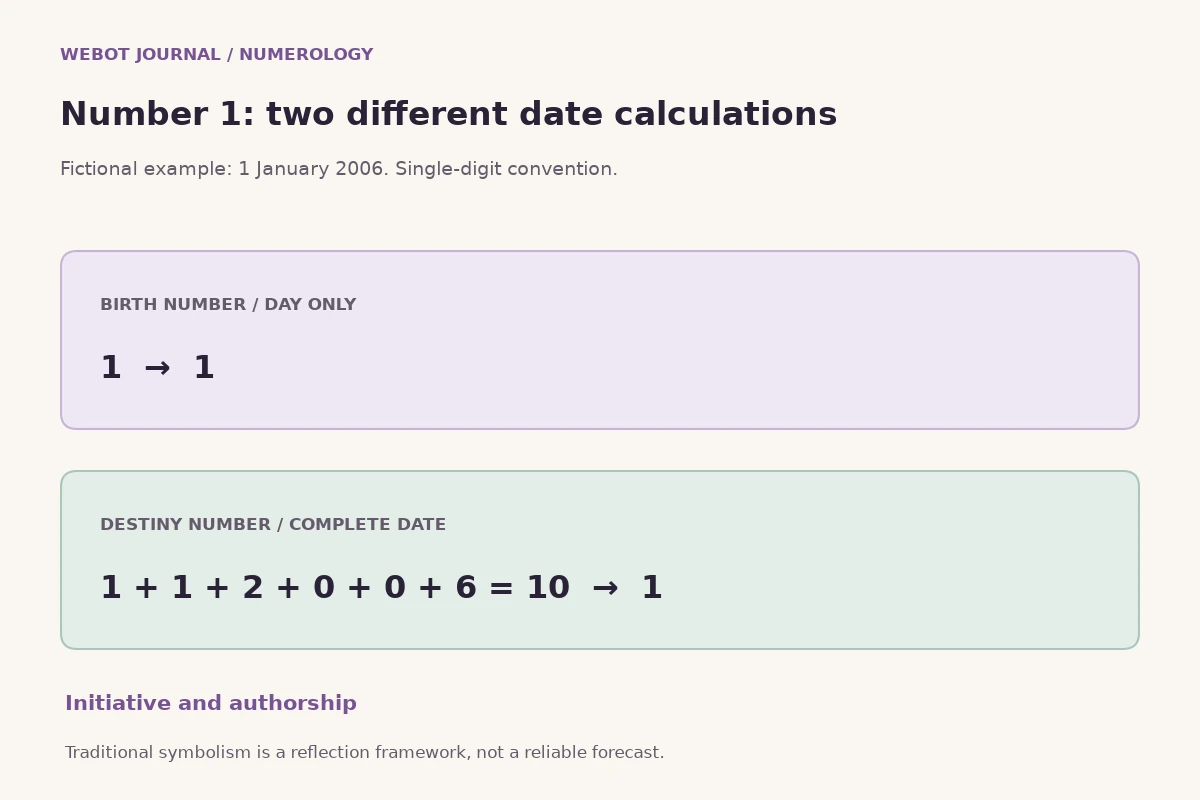
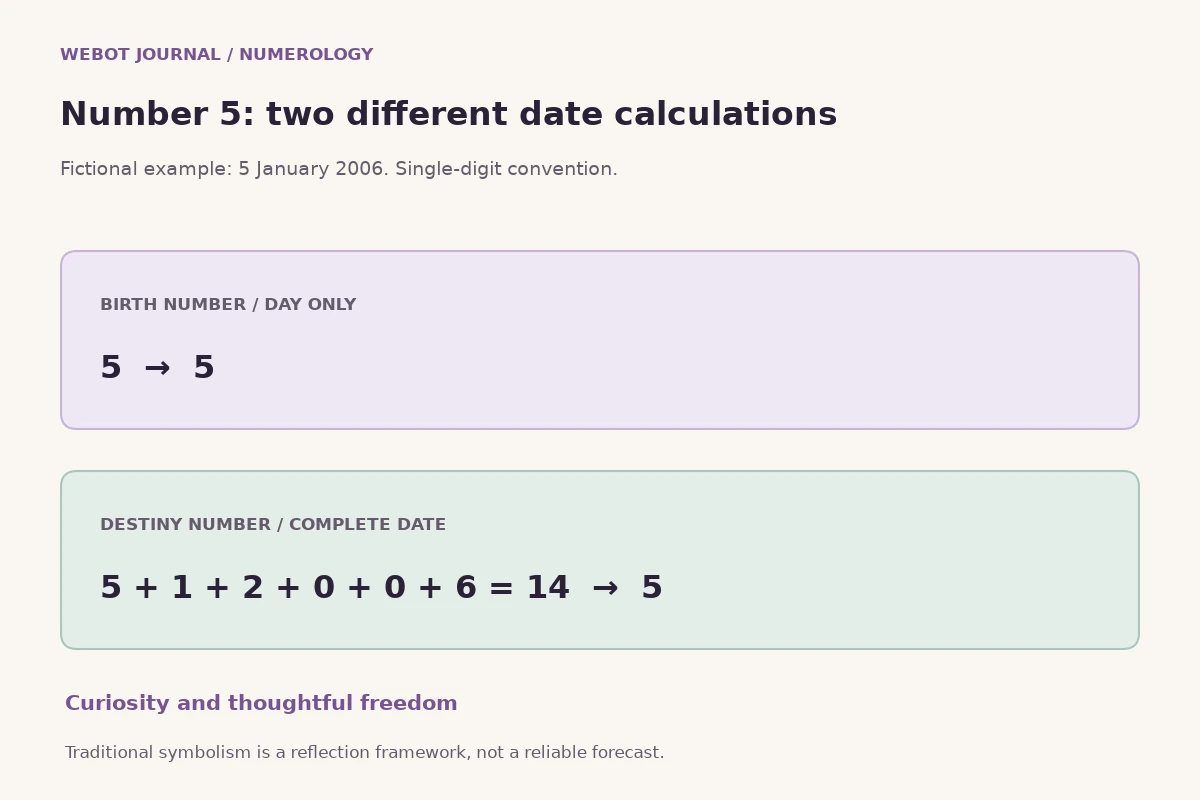
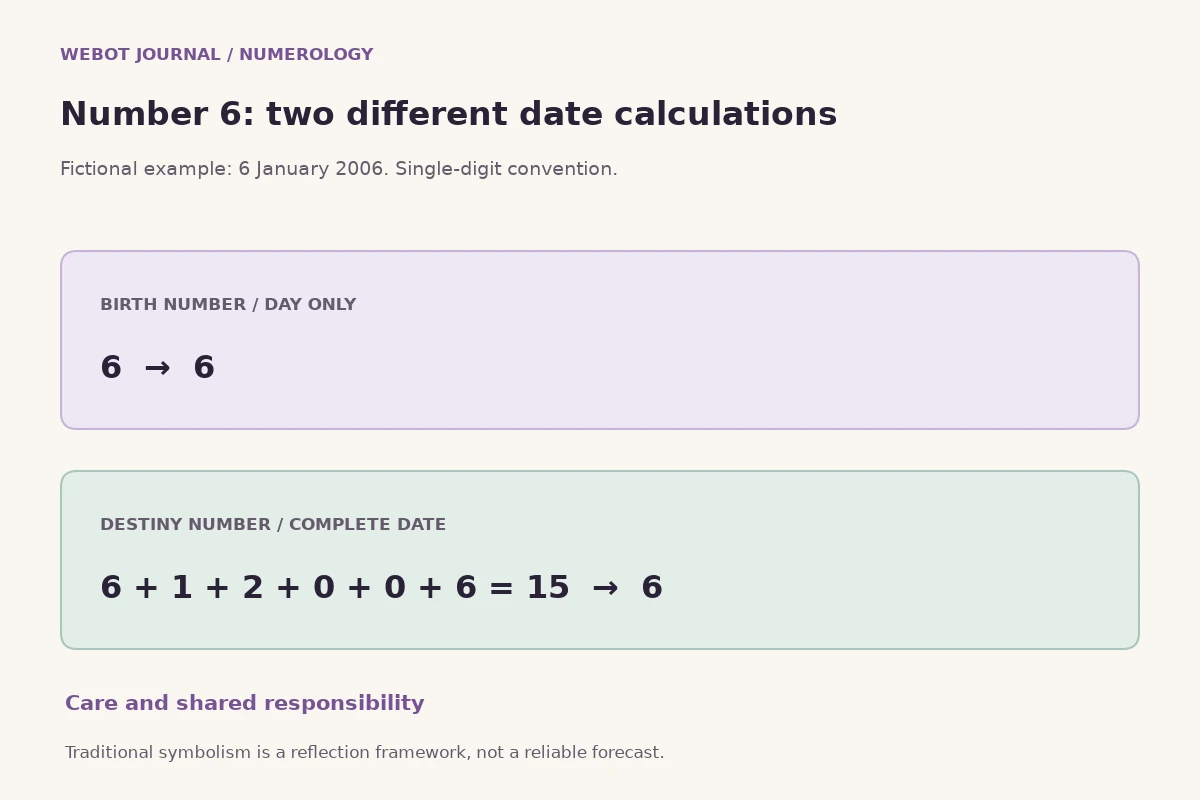
Explore traditional numerology, dream symbolism, head-to-toe Til Vichar and home Vastu, with practical explanations and a clear distinction between belief, reflection and evidence.
Explore Astrology